


We needed a moment to adjust to Tbilisi—it’s unlike any other city we’ve visited. But just like the country itself, it grew on us day by day until we absolutely fell in love with it. Now, we can’t wait to return someday.
Tbilisi is a huge city, sprawling across a vast area with many distinct neighborhoods, each with its own vibe—some livelier and prettier than others.
If you read about Tbilisi elsewhere, you’ll find descriptions of Rustaveli Avenue as grand and elegant, but that wasn’t quite our experience. We could see traces of its former splendor behind the smashed and boarded-up shop windows, the protest slogans painted on nearly every wall—then blacked out by the authorities.


The massive protests and clashes between police and demonstrators in late 2024 had left their mark. It wasn’t the most aesthetic version of the city, but full marks from us for the demonstrators’ cause, courage, and determination.
Read here why we chose to participate in the protests. And read about the conflict here.
That said, life carried on as usual—just with far fewer tourists, which meant businesses were struggling.


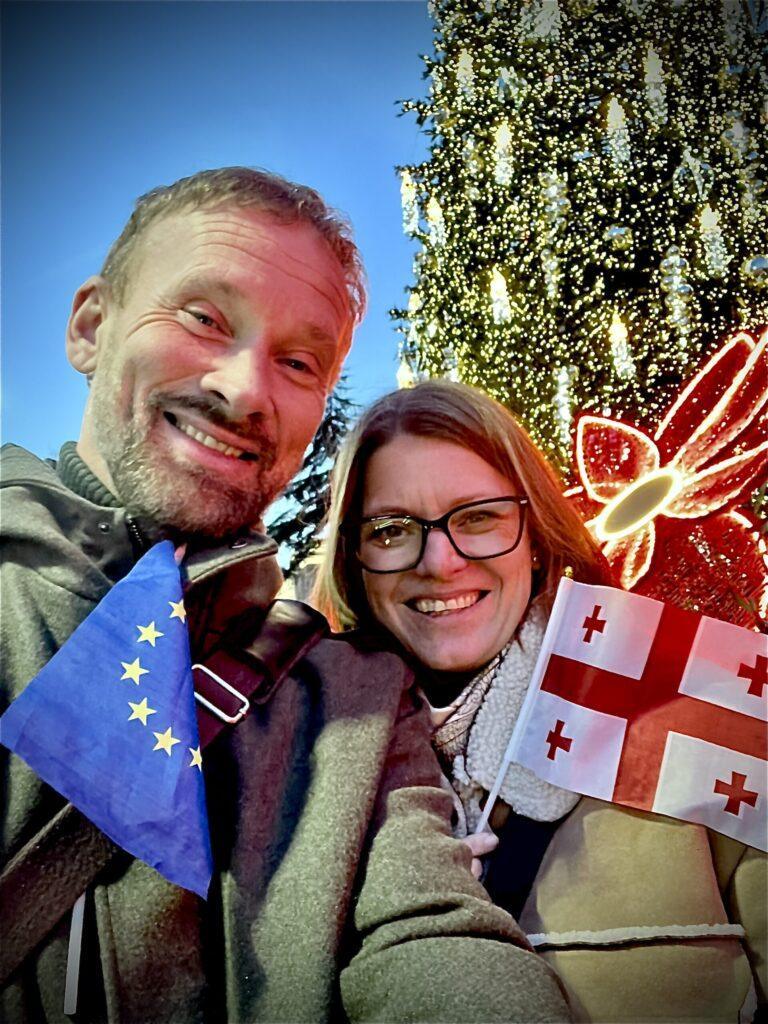
We found that walking was the best way to get around while getting our bearings.
Alternatively, we used the Bolt app, which is like Uber. You’ll need to register, and it’s helpful to link a credit card for easy payment. Heads up: Bolt rides are often priced so low that some drivers can’t make a profit, especially on longer, cheaper routes. If a driver asks for extra cash up front, it’s not a scam—it’s survival. Either choose a pricier ride or be open to negotiating.
We also found that Tbilisi has a good metro and bus system, and you can buy tickets or a transport card at metro stations.

Tbilisi is a multicultural city, likely due to its history as a key stop along the Silk Road, where merchants from all over the world once passed through. Although Georgia is predominantly Orthodox Christian, Tbilisi is also home to synagogues and mosques.
However, the demographics are not quite as diverse—there’s little racial diversity, and LGBTQ+ life remains underground due to the country’s conservative nature. That said, we heard it thrives beneath the surface.
You’ll see far more female drivers here than in the rest of the Caucasus, but they’re still a minority. Despite all the above, the city is constantly bustling with life, and there’s an endless array of food, drinks, and nightlife options.
The best time to visit is definitely in the spring or summer, when the trees are green and the city feels more alive. We were there in December, and honestly, it was cold and gray.
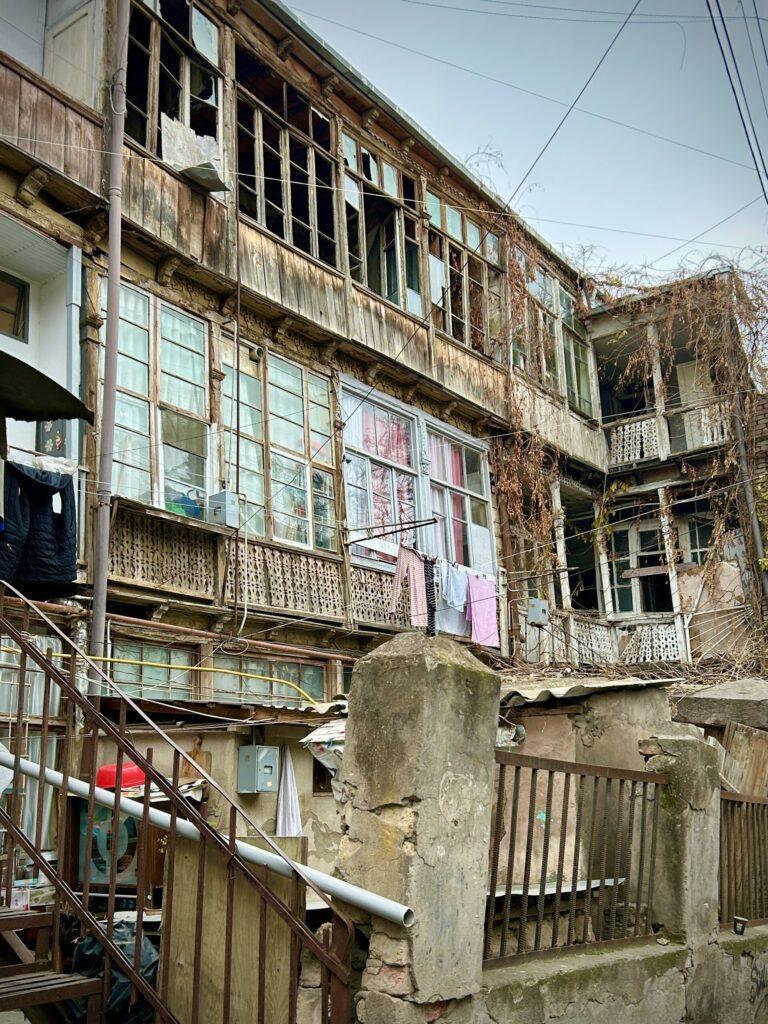
Tbilisi is a mix of everything—from gorgeous architecture and lovely parks to a heavy Soviet-era atmosphere with gray apartment blocks, crumbling roads, and chaotic traffic. Traffic is a nightmare, constantly congested with exhaust fumes. The buildings are a mix of stunning old structures and neglected ruins. Despite all this, the city has so much soul—you just have to look past the rough edges.
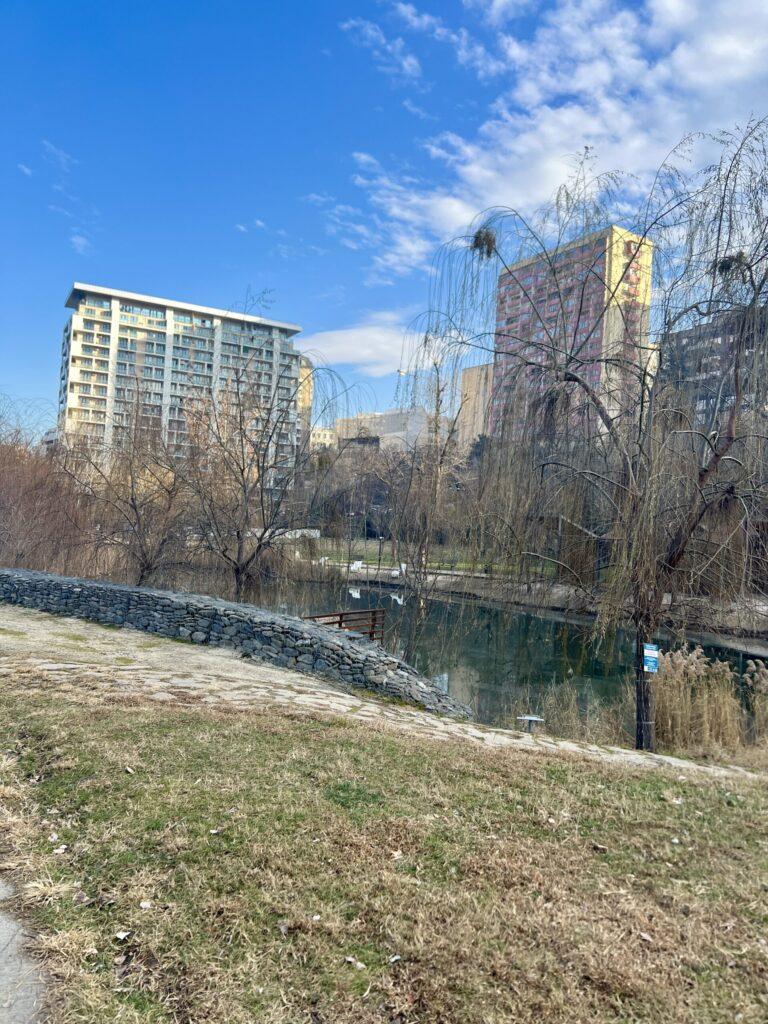

We booked an Airbnb in Marjanishvili, which we found to be the best neighborhood in town. It has an artsy, bohemian vibe —relaxed but still lively, with great connections to the rest of the city.


One of the best things we did was explore the courtyards. Some of the city’s real life happens there—laundry lines crisscrossing between balconies, old men chatting, stray dogs roaming, kids playing football. If you’re lucky, you might even spot an old, abandoned Lada.
Tbilisi is a city of contrasts, history, and resilience. It might not be the most polished destination, but it’s rich in character and with a special soul.
We only mention places we actually tried and liked.
It’s all about sharing our attempt to understand the world by experiencing it with our own eyes. Here and on multiple platforms, we talk about our experiences—the good and the bad—and we have an opinion on most things, which we are more than happy to share.

© All Rights Reserved.